Post-traumatic stress disorder (PTSD) can have a profound impact on an injured combat
soldier, exacerbating the physical and emotional challenges they already face due to their injuries.
The traumatic experiences of war can lead to intrusive and distressing memories, nightmares, and
heightened anxiety. PTSD may cause emotional numbing and a sense of detachment, affecting
their ability to connect with loved ones and engage in activities they once enjoyed. The constant
state of hypervigilance can make it difficult for injured soldiers to relax or feel safe, leading to sleep
disturbances and increased stress levels. Coping with the pain and disabilities from their injuries
while battling the symptoms of PTSD can create a cycle of emotional turmoil, hindering their path
to recovery and reintegration into civilian life. Proper support, understanding, and specialized
treatments are crucial in helping injured combat soldiers navigate the complexities of PTSD and
regain a sense of control over their lives.
Recognizing the importance of addressing these issues, a range of programs have been
developed to assist our soldiers on their path to recovery.
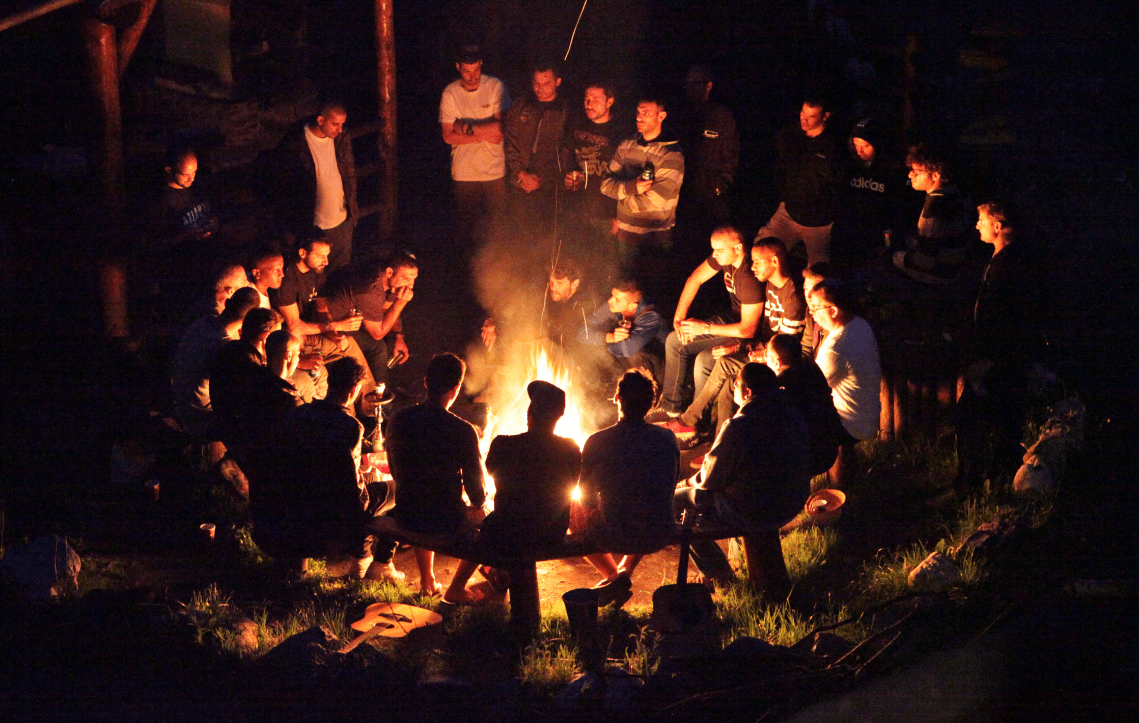
The Wilderness workshop, which has gained traction as a powerful therapeutic intervention. In
this approach, injured soldiers are immersed in the serenity of nature, engaging in outdoor
activities and wilderness challenges. The natural environment serves as a catalyst for emotional
healing, allowing soldiers to confront and process their traumatic experiences in a safe and
supportive setting. The physical demands of wilderness activities also foster a sense of
accomplishment and empowerment, boosting their self-esteem and resilience.
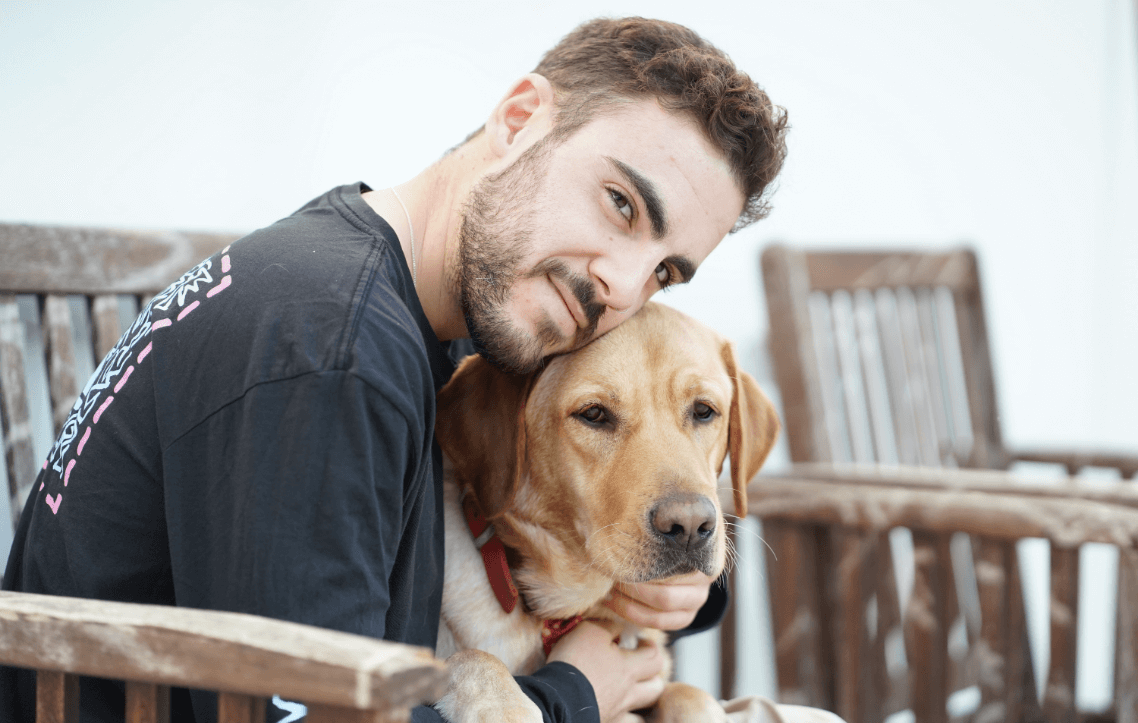
Therapy dogs have proven to be invaluable companions in the healing journey of injured combat
soldiers. These highly trained animals offer unconditional love and support, reducing anxiety and
stress levels, and providing a sense of security. The bond formed between the soldiers and
therapy dogs can be deeply therapeutic, helping to alleviate feelings of isolation and promoting
emotional connection and trust.
Group counseling is another vital treatment modality for PTSD. Participating in group sessions
with peers who share similar experiences can provide a sense of validation, as soldiers realize
they are not alone in their struggles. In the safe and empathetic environment of group counseling,
soldiers can openly express their emotions, discuss their traumas, and learn coping strategies
from one another. This shared journey of healing fosters camaraderie and solidarity, creating a
strong support network that extends beyond the therapy sessions.
The combination of these different treatments offers a comprehensive and holistic approach to
address the complexities of PTSD for our injured soldiers.